Most dog owners think of picking up after their pet as a matter of courtesy, something you do so the neighbors do not grumble. The more pressing reason is invisible: canine waste is a reservoir of pathogens that can make people and other animals genuinely sick. Health departments across the country classify it as a biohazard, on par with certain other environmental pollutants, and they are not being dramatic when they do so.
You do not need to be squeamish to take this seriously, only informed. Once you understand which organisms live in dog stool and how they find their way into a human body, leaving waste on the ground to deal with “later” starts to feel like the gamble it actually is. The risk is not theoretical or rare; it is a documented, everyday consequence of contaminated soil, and it lands hardest on the people we most want to protect.
A Crowded Microscopic World
Dog stool routinely carries giardia, cryptosporidium, and bacteria such as salmonella and campylobacter, alongside the eggs of intestinal worms. A single gram of waste can hold staggering numbers of bacteria. What makes these organisms troubling is their staying power. Many survive outside the host for weeks, and certain worm eggs stay viable in the ground long after the visible waste has weathered away to nothing. The mess you can see is temporary; the contamination it leaves behind is not, and it accumulates in soil that looks perfectly clean.
Hookworms and Roundworms Deserve Special Attention
Two parasites stand out because of how efficiently they reach people. Roundworm eggs are swallowed after hands or food brush contaminated soil, and in humans the wandering larvae can occasionally damage tissue in the eye or an internal organ, a condition doctors take seriously precisely because it is hard to treat. Hookworm larvae are more direct: they bore through the skin of a bare foot or a hand pressed against the grass, leaving itchy, winding tracks. Neither one requires you to touch fresh waste to become infected, which is what makes them so easy to underestimate.
How the Handoff Happens
The route from dog to human is mundane, which is precisely why it works so well. Contaminated soil clings to a gardening glove, a tennis ball, a child’s sneaker, or the dog’s own paws, and from there it travels to a mouth, a countertop, or a face. Nobody sets out to touch waste; they simply contact ground that a pile occupied days or weeks earlier and never think twice about it. Rain can also wash pathogens into gardens, storm drains, and local waterways, spreading the problem well beyond the spot where the dog originally went.
The Groups Most at Risk
Small children top the list because they crawl, sit, and dig at ground level, then put their fingers in their mouths without a second thought. Anyone with a weakened immune system faces steeper consequences from an infection a healthy adult might shrug off. Other dogs are vulnerable too, picking up giardia and worms from shared grass, which is why parasites move so quickly through parks, communal yards, and anywhere multiple animals do their business in the same space.
Why Rinsing the Spot Does Not Help
A common instinct is to hose down where the waste was and call it clean. Water does the opposite of what you want, spreading eggs and larvae across a broader area and driving them deeper into the soil rather than lifting them out. The only reliable way to lower the pathogen load is physical removal of the waste before it starts breaking down, ideally the same day it appears, so that eggs never get the days they need to become infectious in the first place. Power-washing patios or walkways only relocates the contamination into cracks and runoff, which is why physical collection remains the one method public health guidance actually endorses.
Prompt Removal Breaks the Cycle
Same-day collection is the single most effective defense, because most parasite eggs need a few days in the environment before they become infectious. Remove the source quickly and the majority never reach that stage. The habit only sticks when the task is easy, which is where the right equipment matters more than most people expect.
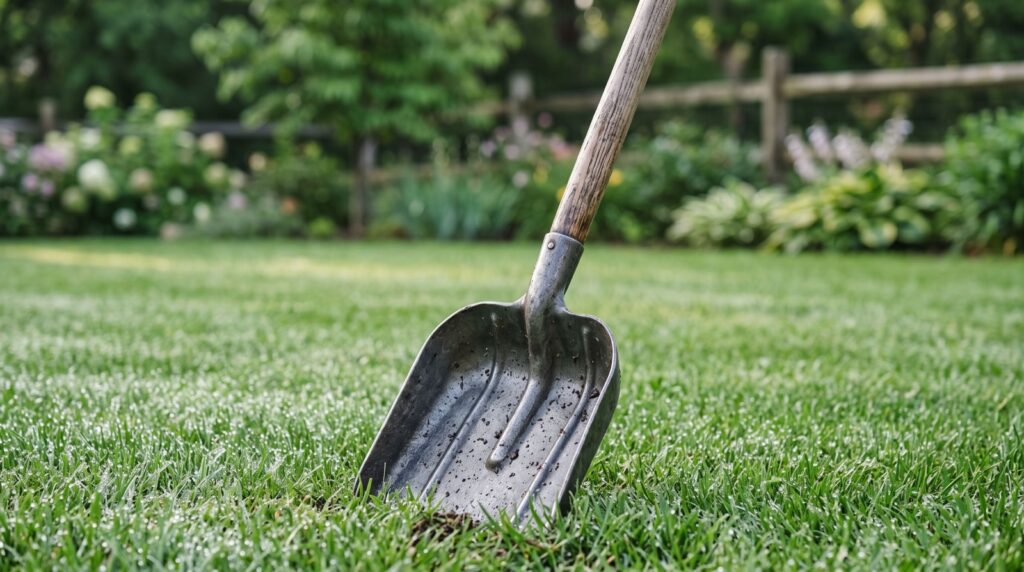
A purpose-built Pooper scooper company designs long-handled tools that let you lift waste from a standing position without touching a thing, removing both the discomfort and the excuse to skip a day when you are tired or short on time.
Contain It, Then Dispose of It Safely
Collection only helps if what you gather stays sealed on its way to the trash. Bagging waste and placing it in household garbage isolates the pathogens from soil and water, which is what most municipalities recommend over burying or backyard composting that never gets hot enough to kill the eggs.
Owners who want reliable gear and bags in one place often standardize on Gogostik so their scooper and their containment work together and cleanup never stalls for lack of a decent bag when it matters most.
For owners who simply cannot keep up during busy stretches of travel, work, or family demands, arranging recurring service through quality service providers keeps a yard sanitary even when your own schedule falls apart, and consistent professional pickup is far better for everyone’s health than the sporadic, well-intentioned effort that leaves gaps for parasites to exploit.
Key Takeaways
- Dog waste carries giardia, salmonella, and worm eggs that can survive in soil for weeks or longer.
- Roundworms infect through hand-to-mouth contact; hookworm larvae burrow through bare skin.
- Children and immune-compromised people face the highest risk from contaminated ground.
- Hosing a spot spreads pathogens rather than removing them.
- Same-day pickup plus sealed disposal in household trash is the proven way to break the cycle.
Clean Ground Is Safer Ground
The link between pet waste and human illness is well documented, yet it is also one of the easiest health risks to manage. A few minutes of collection, a sturdy bag, and responsible disposal turn a genuine biohazard into a non-event. Approach cleanup as basic hygiene rather than an optional kindness, and you protect everyone who walks, plays, gardens, or kneels on that ground, including the smallest members of your household.