Drive-Thru Systems in Saudi Arabia: The 2026 Playbook for Faster Lanes and Happier Customers
The drive-thru lane is where quick-service restaurants in the Kingdom win or lose the lunch rush. A few seconds shaved off each order multiplies into hundreds of extra cars served a day. That is why modern Drive-thru Systems in Saudi Arabia have moved far beyond a speaker box and a window — they now blend crisp audio, digital menu boards, and real-time order tracking into one tightly timed operation.
With Saudi Arabia’s dining-out culture booming and delivery apps raising speed expectations, 2026 is the year to get the lane right. This playbook covers the technology, the metrics, and the buying decisions that matter.
What Do Modern Drive-Thru Systems Include?
A contemporary drive-thru is a connected stack rather than a single gadget. The core pieces work together to move a car from entry to exit with minimal friction.
- Clear two-way audio: noise-cancelling headsets and speakers that cut wind and engine noise.
- Digital menu boards: screens that update pricing, promos, and dayparts instantly.
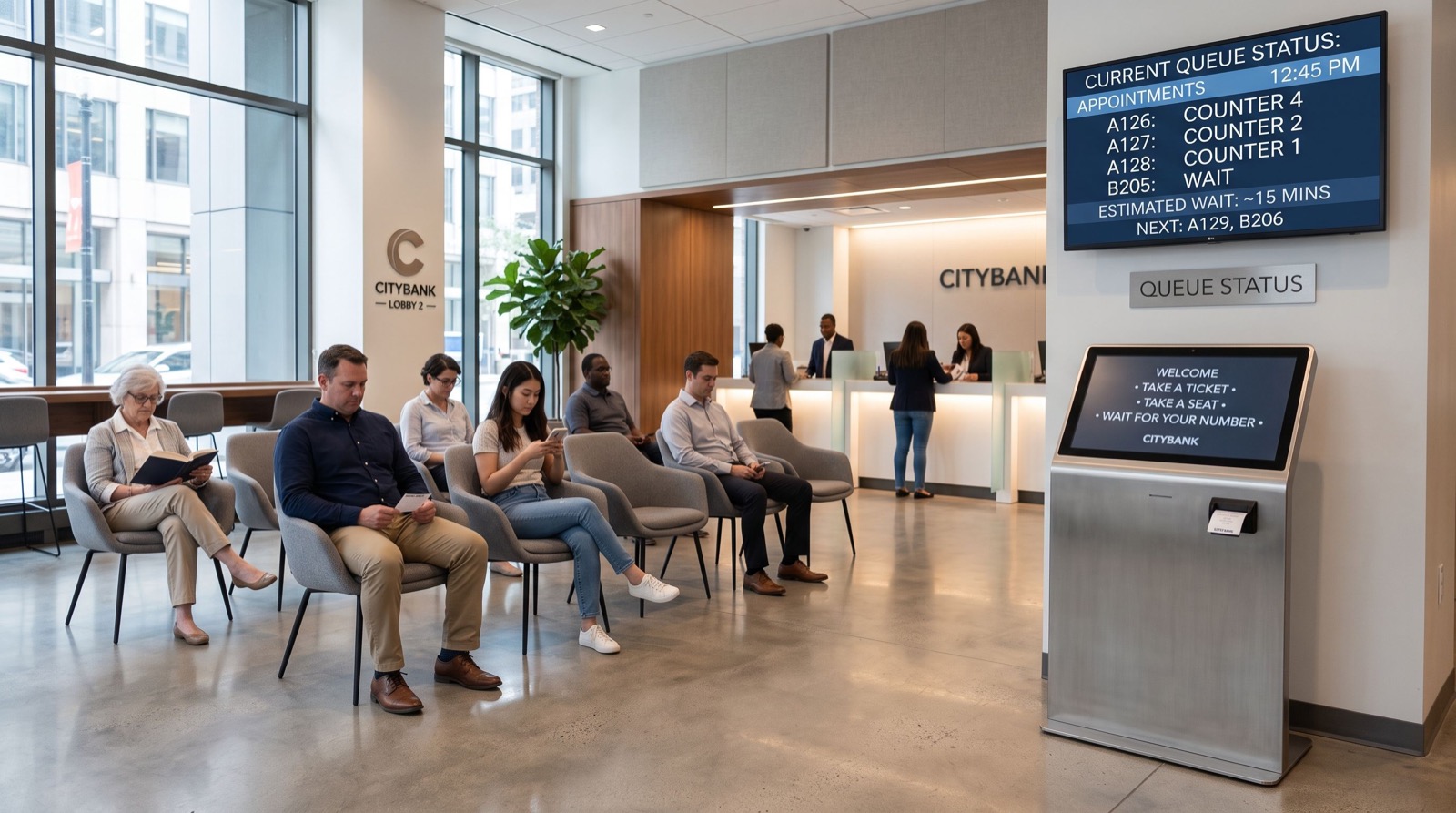
- Order confirmation displays: customers see their order, which slashes errors.
- Timing and analytics: sensors measure each stage of the lane.
- Staff communication: reliable intercom and phone links between stations.
Why Drive-Thru Systems in Saudi Arabia Are a 2026 Priority
Speed is now a brand promise. Customers compare your lane not just to the restaurant across the road but to the delivery app on their phone. Falling behind on service time is a direct hit to loyalty and throughput.
Industry data from the National Restaurant Association consistently shows that off-premise channels — drive-thru, pickup, and delivery — drive the majority of QSR growth, and that each additional second at the window measurably reduces daily car count. In a competitive Saudi market, that math is impossible to ignore.
The benefits of upgrading are concrete:
- Higher throughput: more cars per hour during peaks.
- Fewer errors: confirmation screens reduce costly remakes.
- Better upsell: dynamic menu boards promote high-margin items.
- Measurable service: you manage what you can finally see.
Communication: The Underrated Half of the Lane
Order accuracy collapses when staff cannot hear each other. That is why clear internal communication is as important as the customer-facing speaker. Many Saudi operators now standardise on Fanvil IP Phones in Saudi Arabia to link the window, the kitchen, and the manager’s office over a single reliable network.
IP phones also tie the drive-thru into the wider restaurant: suppliers, support lines, and multi-branch coordination all run on the same clean voice backbone instead of a tangle of ageing handsets.
How Do You Measure Drive-Thru Performance?
You cannot improve what you do not time. Successful operators track a handful of lane metrics and review them weekly. The table below shows the essentials and healthy 2026 targets.
| Metric | What It Measures | Healthy 2026 Target |
|---|---|---|
| Total lane time | Entry to exit per car | Under 4 minutes |
| Order accuracy | Correct orders served | Above 95% |
| Menu board uptime | Screens live and correct | 99%+ |
| Peak cars/hour | Throughput at rush | Track and trend up |
Choosing the Right Drive-Thru Setup
Match the system to your volume and layout. A single suburban branch has very different needs from a flagship on a busy highway with dual lanes.
Key questions to ask any vendor:
- Does the audio genuinely cancel wind and traffic noise in real conditions?
- Can menu boards be scheduled by daypart and updated centrally?
- Is the timing data exportable for multi-branch benchmarking?
- Does the installer also handle networking and ongoing support?
That last point is decisive. A drive-thru upgrade touches electrical work, networking, and staff training, so partner with quality service providers who can scope the whole project rather than sell a box. The lane cannot be down for days during a fix.
A Lesson From Busy Lanes
One practical insight: position your order-confirmation screen before the payment window, not at it. Operators who move confirmation earlier catch mistakes while the kitchen can still adjust, cutting remakes and the dreaded “pull-forward” that clogs the whole lane. It is a near-free change that routinely trims total lane time.
Handling the Saudi Climate and Traffic
Local conditions shape what actually works at the window. Heat, dust, and glare are real engineering factors, not footnotes, and the best deployments plan for them from the start.
- Glare-resistant screens: high-brightness, anti-glare menu boards stay readable under intense midday sun.
- Dust-rated hardware: sealed speakers and enclosures resist fine sand that would clog cheaper units.
- Heat tolerance: outdoor components should be rated for sustained high temperatures to avoid summer failures.
- Peak-hour network capacity: Ramadan evenings and weekend rushes demand bandwidth headroom so boards and timing never lag.
Operators who specify weather-hardened equipment up front avoid the costly mid-summer replacements that catch out those who buy on price alone. It is cheaper to over-specify once than to repair a failing lane during your busiest season.
Frequently Asked Questions
How long should a drive-thru upgrade take to install?
A single-lane refresh of audio and menu boards can often be completed within a few days, usually scheduled around off-peak hours. Larger multi-lane or multi-branch projects are phased so no location loses a full trading day.
Will new drive-thru systems work with my existing POS?
Most modern systems are built to integrate with common point-of-sale platforms. Confirm compatibility up front so order data, timing, and menu pricing stay in sync across the restaurant.
Do digital menu boards really increase sales?
Yes. Dynamic boards let you promote high-margin items, run dayparted menus, and remove sold-out products instantly, which lifts average order value compared with static printed boards.
Why do I need IP phones for a drive-thru?
Clear internal voice links keep the window, kitchen, and manager coordinated, which protects order accuracy during rushes and connects the branch to suppliers and head office on one reliable network.
Conclusion
Winning the rush comes down to seconds, and the right Drive-thru Systems in Saudi Arabia give you those seconds back — faster lanes, fewer errors, and data you can actually act on. Pair strong customer audio with solid internal communication, measure every stage, and choose an installer who owns the whole project. Ready to speed up your lane in 2026? Benchmark your current lane time this week and request a tailored drive-thru assessment.