
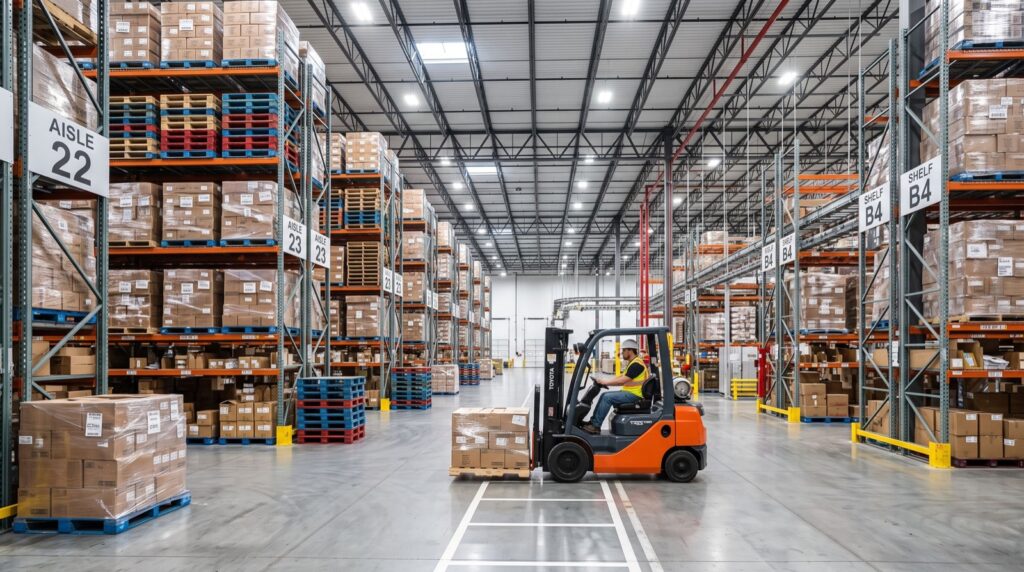
Running a food business on the Red Sea coast means fighting heat and humidity every single day. That is why Chilled Storage in Jeddah has become a make-or-break decision for grocers, caterers, and importers who cannot afford a single spoiled pallet. When outdoor temperatures push past 40 degrees Celsius for months at a time, the margin between fresh and wasted stock is measured in a few degrees and a few minutes.
This guide walks through what serious operators look for when they rent temperature-controlled space in the city, how coastal humidity changes the equation, and where warehousing fits alongside a busy kitchen or import operation. The goal is simple: keep your produce, dairy, and prepared goods safe from the moment they arrive until the moment they ship.
Why Chilled Storage in Jeddah Demands More Than a Cold Room
Jeddah is not a mild climate. The combination of high ambient heat and salty coastal air puts constant strain on refrigeration equipment. A cheap cold room that works fine in a dry inland city can struggle here, cycling harder and drifting out of range during afternoon peaks.
Good chilled storage in this region is built for the environment. It uses insulated panels rated for high heat load, backup compressors, and monitoring that alerts staff before a temperature excursion turns into a health risk. Professional operators treat these features as non-negotiable, not optional extras.
When you compare providers, purpose-built Chilled Storage in Jeddah stands apart from a converted room in a general warehouse. The engineering behind it, from door seals to airflow design, is what actually keeps your goods safe during the harshest months of the year.
Think of the equipment as insurance. You pay a little more upfront for redundancy, but a single avoided spoilage event during a July heatwave usually covers the difference many times over.
The Humidity Factor Most Operators Underestimate
Coastal humidity does two things. First, it forces cooling systems to remove moisture as well as heat, which increases energy draw. Second, condensation on packaging and shelving encourages mold and bacterial growth if airflow is poor.
The best facilities manage relative humidity actively, not passively. Look for controlled dehumidification and proper stock spacing so cold air circulates around every crate instead of pooling in dead corners.
Temperature Bands and What They Store
Not every product needs the same setting. Matching goods to the correct band protects quality and cuts unnecessary energy cost. Here is a practical reference many kitchens and importers use.
| Temperature Band | Typical Range | Best For |
|---|---|---|
| Deep chill | 0 to 2 degrees C | Fresh fish, seafood, some dairy |
| Standard chill | 2 to 5 degrees C | Meat, milk, prepared meals |
| Cool | 5 to 8 degrees C | Fruit, vegetables, beverages |
| Mild cool | 8 to 12 degrees C | Bananas, tropical produce, chocolate |
According to the U.S. Food and Drug Administration cold chain guidance, perishable food should not sit in the danger zone above 4 degrees Celsius for extended periods. A reliable chilled facility keeps you comfortably below that line around the clock.
How to Evaluate a Chilled Storage Provider
Renting cold space is a long-term relationship, not a one-off transaction. Before you sign anything, run through a short checklist so you know what you are actually paying for.
- Documented 24/7 temperature logging with automatic alerts
- Backup power and redundant compressors to survive outages
- Clean, pest-controlled loading bays with fast in-and-out handling
- Flexible pallet or rack pricing that scales with your season
- Staff trained in food-safe handling and FIFO rotation
Ask to see the facility during a hot afternoon, not a cool morning. That is when weak systems reveal themselves. If the provider hesitates, treat it as a warning.
Steps to Move Your Stock In Smoothly
A smooth onboarding protects your goods from day one. Follow a clear sequence rather than rushing pallets through the door.
- Audit your current volume and peak-season spikes honestly.
- Assign each product line to the correct temperature band.
- Label and barcode inventory before it arrives at the warehouse.
- Confirm delivery windows so cold trucks are unloaded fast.
- Set a rotation schedule and review waste figures monthly.
Beyond Chilling: The Wider Storage Picture
Cold space rarely stands alone. Most food operators also need dry areas for packaging, canned goods, and non-perishables sitting right next to their refrigerated stock. Choosing a provider that handles both under one roof simplifies logistics and cuts double handling.
For restaurant groups in particular, integrated Storage for Restaurants that blends chilled, frozen, and ambient zones can free up valuable back-of-house space in the venue itself. That means more seating, cleaner kitchens, and staff who spend less time hunting for ingredients.
If you are still comparing options, it helps to shortlist quality service providers and weigh their track records before committing your entire supply chain to one warehouse.
Cost Control Without Cutting Corners
Refrigeration is energy-intensive, so cost matters. The trick is trimming waste, not safety. Consolidate deliveries, right-size the space you rent, and use shared facilities during quieter months instead of paying for a private room you barely fill.
Industry bodies such as the Global Cold Chain Alliance publish benchmarks on energy efficiency and food loss that can help you set realistic targets for 2026 and beyond.
Seasonal Planning for a Coastal Operation
Demand in Jeddah does not stay flat across the year. Ramadan, the summer tourist season, and Hajj-related trade all send perishable volumes surging. If your storage plan assumes a steady baseline, you will scramble for space at exactly the wrong moment.
Smart operators forecast these peaks and lock in flexible capacity ahead of time. Renting a facility that can scale pallet counts up and down avoids both the cost of empty rooms in quiet weeks and the panic of nowhere to put stock during a rush.
Handling Deliveries in Extreme Heat
The most vulnerable moment in the cold chain is the transfer between truck and warehouse. On a scorching afternoon, an open dock can undo hours of careful refrigeration in minutes. Speed and discipline at the dock matter enormously.
Choose a facility with covered, temperature-buffered loading bays and staff trained to move refrigerated goods fast. Confirm that inbound trucks are scheduled to avoid the hottest hours where possible, and that unloading crews know the drill before a single pallet moves.
Frequently Asked Questions
What temperature is best for chilled storage in Jeddah?
Most chilled goods sit safely between 0 and 5 degrees Celsius, though the exact figure depends on the product. Fresh seafood needs the coldest end, while fruit and beverages tolerate slightly warmer settings.
How is chilled storage different from frozen storage?
Chilled storage keeps food cold but above freezing, preserving texture and flavor for short to medium periods. Frozen storage drops well below zero to lock in goods for months, but it changes the structure of many fresh items.
Can restaurants rent chilled space by the pallet?
Yes. Many facilities offer flexible pallet or shelf pricing, so a small kitchen can rent exactly what it needs and scale up during busy seasons like Ramadan or the summer tourist rush.
How do I protect stock during a power outage?
Choose a facility with backup generators and redundant compressors. Keep doors closed during any interruption, and rely on the provider’s temperature alerts to confirm the cold chain held.
Final Thoughts
Getting Chilled Storage in Jeddah right protects both your money and your reputation. In a climate this demanding, the difference between a professional facility and a basic cold room shows up on your bottom line within weeks. Match your products to the correct temperature bands, insist on monitoring and backup power, and lean on a provider that can grow with you through 2026. Do that, and your fresh stock stays fresh from dock to plate.